-
-

-
Our exhibition, A Casa Paulista, marks the opening of Bossa’s new gallery in São Paulo. The project stands as a gesture dedicated to the city and to the figures who shaped its modern interiors. For this inaugural show, we turn our attention to the companies that helped define São Paulo in the 1950s: Branco & Preto and Forma S.A. emerge as key pioneers in the construction of this modern aesthetic.The exhibition borrows its title from the homonymous work by Carlos Lemos, yet proposes a new perspective through the lens of interiors. While Lemos’s work—central to understanding Brazilian modernism—examines colonial residences and their ways of living, our exhibition suggests another “Casa Paulista.” This new domestic landscape was not limited to the houses that filled the pages of magazines at the time, but also extended to the modern, compact apartments in the then newly established Jardins neighborhood, as well as to the cultural epicenter of the country: downtown São Paulo.As new ways of living emerged in São Paulo during the 1950s, a new approach to interiors became necessary—one that could respond to both the rigor and the freedom of this evolving aesthetic. Until then, furniture largely reproduced styles imported from France and England, which no longer resonated with the dynamic architectural production taking shape in Brazil. It is within this context that Móveis Artesanal was founded in 1948, born from the partnership between Carlo Hauner and Ernesto Wolf—the latter a devoted supporter of the arts and a renowned collector of glass.With the arrival of Martin Eisler and the opening of Galeria Artesanal, driven by the vision of Georgia Hauner, an innovative exhibition concept was introduced. Rather than traditional storefront displays, the gallery created complete environments, integrating furniture with art and transforming the act of acquisition into a broader statement about how to live.The exhibition therefore focuses on the two companies that consolidated this shift: Branco & Preto, founded in 1952 by architects Miguel Forte, Jacob Ruchti, Plínio Croce, Roberto Aflalo, Carlos Millan, and Chen Y Hwa; and Forma Móveis e Objetos de Arte, established in 1955. Forma’s trajectory reveals a sophisticated network of collaborations, intersecting with key figures such as Sergio Rodrigues and Lina Bo Bardi.By presenting nearly 50 historical works, the exhibition offers a clear overview of the scene at the height of modernist production in São Paulo. It is an invitation to observe how furniture and interior space played a defining role in shaping the city’s modern identity.Isabela Milagre
-
-
-
BRANCO & PRETO
The Total Work and the Invention of Modern Living in São Paulo (1950–1970)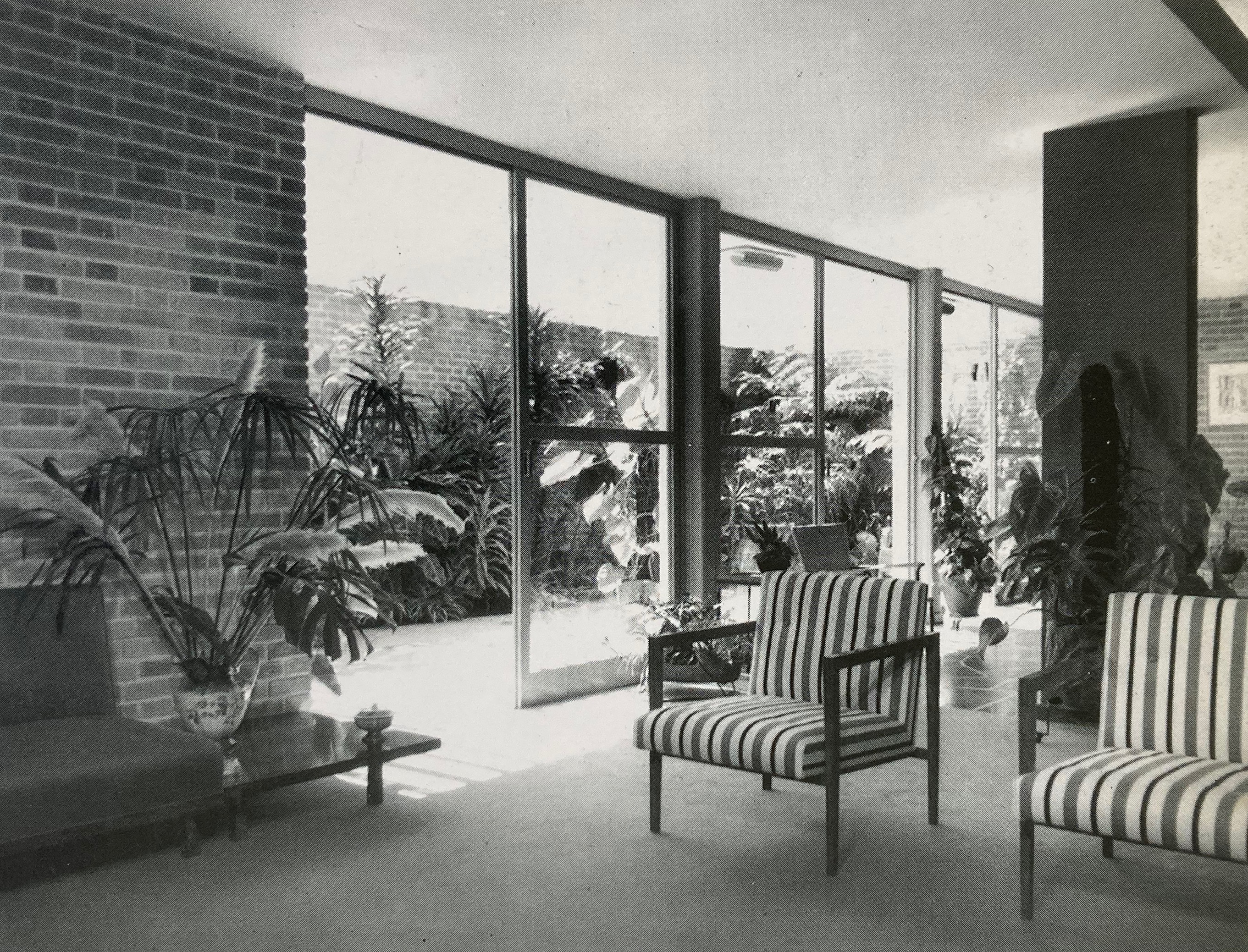
This document outlines the trajectory of Branco & Preto, a landmark in Brazilian modern design, bringing together the technical rigor, historical context, and sensory materiality that defined its production.
1. A Local Vanguard
In the early 1950s, São Paulo was experiencing an unprecedented industrial and cultural expansion, marked by the creation of MASP and the Biennial. While the official curriculum at Mackenzie’s School of Engineering remained rooted in academic neoclassicism, a group of young architects—Miguel Forte, Jacob Ruchti, Plínio Croce, Roberto Aflalo, Carlos Millan, and Chen Y Hwa—formed a self-taught avant-garde. Drawing from both the rationalism of the Bauhaus and the organic principles of Frank Lloyd Wright, these friends and studio neighbors set out to address a critical gap: the absence of furniture capable of engaging with the open plans and glass walls of modern architecture.2. Design Without “Prima Donnas”
Founded on December 17, 1952, on the elegant Rua Vieira de Carvalho, Branco & Preto was not simply a store, but a design laboratory. Furniture was conceived as an extension of architecture—a “total work.”The creative process was rigorously collective. There was no room for ego or individual authorship. Each project was intensely debated. A design would begin as a sketch and undergo countless iterations through full-scale prototypes until its proportions were resolved. Lines were raised, refined, or thickened until function prevailed over form, resulting in pieces that, while rational, carried a sculptural elegance meant to be appreciated from every angle.
3. The Culture of Detail: Materiality and Sensory Experience
Branco & Preto defined the identity of Brazilian design by articulating the richness of local materials with an industrial aesthetic.- Precision Woodworking: Woods such as jacarandá-da-Bahia, caviúna, and pau-marfim were elevated through meticulous joinery—particularly 45-degree mitre joints—demonstrating a construction rigor that rendered ornament unnecessary.
- Modern Contrast: Wood was often paired with tubular steel, Calacatta marble, glass, and the then-innovative Formica, creating a dialogue between the warmth of craftsmanship and the clarity of industrial production.
- Upholstery and Textiles: Rejecting synthetic foam and springs, the group worked with horsehair and down, ensuring lasting structure. Fabrics, exclusively produced by Lanifício Fileppo in wool gabardine, featured a distinctive “dry sheen” and abstract patterns that became a visual signature of the brand.
4. Modern Living
The store functioned as a platform for disseminating a new way of living. In a city aspiring toward vertical growth and cosmopolitan identity, Branco & Preto’s interiors taught clients how to inhabit open spaces.Furniture such as the iconic open shelving units and screens became essential tools in organizing celebrated residences, including Oscar Americano’s home in Morumbi. In these projects, where transparency demanded lightness, Branco & Preto pieces acted as spatial mediators, preserving visual continuity and fluid transitions between interior and exterior.
5. Legacy
Branco & Preto’s trajectory came to an end in 1970—not due to a lack of recognition, but precisely because of its excellence. The growing success of the partners’ individual practices, combined with the premature death of Carlos Millan in 1964 and the scarcity of skilled labor capable of sustaining such rigorous craftsmanship, made commercial scalability unfeasible.Its closure marked the transformation of a commercial enterprise into a design myth. Branco & Preto established interior architecture as a professional discipline in Brazil, leaving behind a body of work that stands as evidence of innovative thinking—objects of deep cultural significance within the history of Brazilian design and architecture.
-
-
Branco & PretoM1 Armchairs (2 units - pair), 1953
-
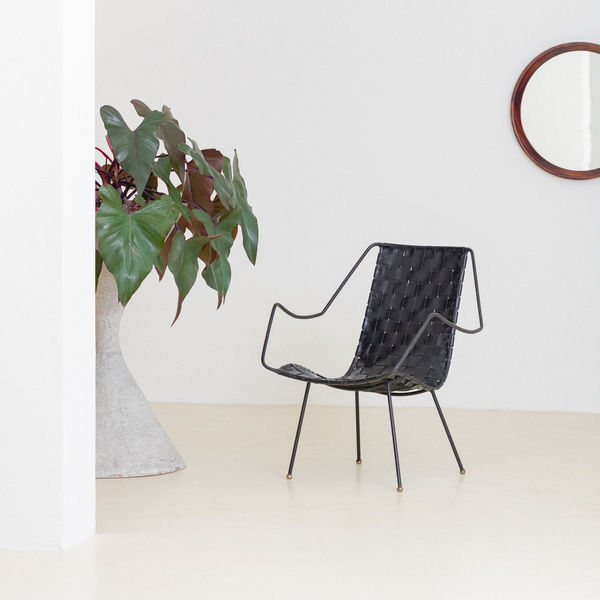
Branco & PretoR3 Armchair (2 units - pair), 1952
-
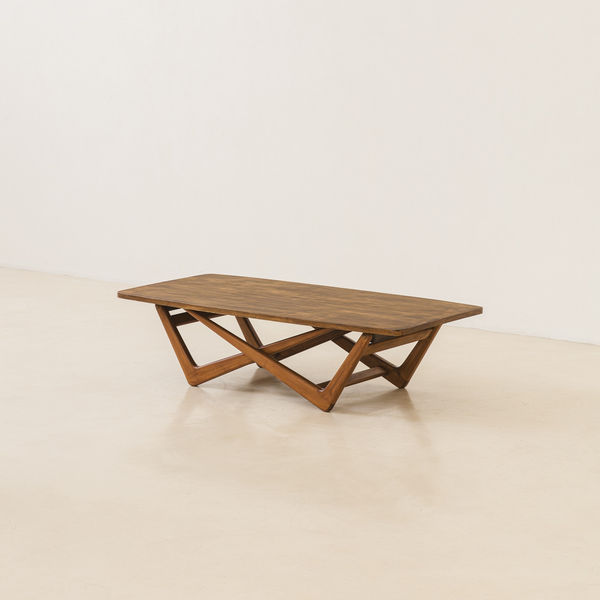
Branco & Preto"Duas Cores" Coffee Table, c. 1952
-
Branco & PretoCane Chairs (8 units), 1952
-
Branco & PretoSide Table, 1950s
-
Branco & PretoSide Table (2 units), 1950s
-
Branco & PretoSide Table (2 units), 1950s
-
Branco & PretoSide Table, 1950s
-
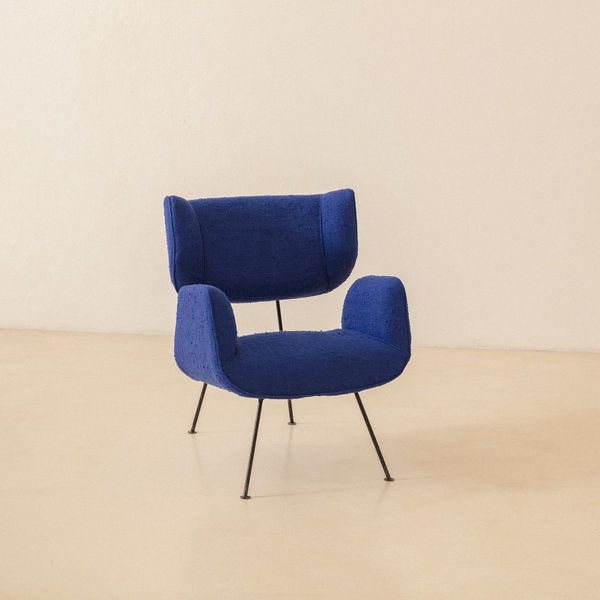
Branco & PretoMF5 Armchairs (2 units - pair), 1953
-
Branco & PretoR3 Armchair (100 units), 1952
-
Branco & PretoDining Table, 1950s
-
Branco & PretoSofa M3, 1952
-
-
-
-
FORMA S.A.
The Systematization of Design and the International Connection (1949–2005)
This document examines the trajectory of Forma S.A., a company that consolidated the transition from handcrafted furniture to industrial-scale production in Brazil, bridging European rigor with serial manufacturing and global licensing.
1. The Prelude: From Pau Brasil Workshop to Móveis Artesanal
Forma’s origins trace back to 1949, with the arrival of Italian architect and artist Carlo Hauner in Brazil. Hauner acquired the assets and machinery of the Pau Brasil workshop—an early initiative by Lina Bo Bardi and Giancarlo Palanti—and transformed it, in 1950, into Móveis Artesanal.Based in Itaim Bibi, Artesanal functioned as a transitional laboratory. Under Hauner’s influence, and later that of Austrian architect Martin Eisler, the company began moving away from one-off carpentry toward a rationalist approach suited to São Paulo’s rapid vertical growth. It was within this environment that figures like Sérgio Rodrigues began their careers, negotiating between European technical rigor and the search for a Brazilian identity.
2. The Invention of “Forma”
In 1954, the arrival of investor and collector Ernesto Wolf marked a strategic turning point. Recognizing that the term “Artesanal” limited the company’s reach within the expanding corporate market, Wolf proposed the name Forma.The new identity evoked not only geometric clarity but also the intention to standardize modern design. Unlike Branco & Preto, which emphasized the “total work” and artisanal control, Forma operated through a logic of components. Designs by Eisler and Hauner were based on modularity and versatility—structures that could be replicated and combined, allowing well-designed furniture to reach an unprecedented industrial scale in Brazil.
3. Materiality and Technique: The Eisler and Hauner Synthesis
Forma’s visual identity emerged from the dialogue between the transparency of metal and the density of noble wood.- Structural Rigor: The use of slender metal hardware and black-painted steel bars gave the furniture a sense of lightness, allowing it to “float” within the glass-walled apartments of the time. The Costela Armchair, designed by Martin Eisler, became emblematic of this approach: a metal frame supporting jacarandá slats, merging ergonomic function with a sculptural and serial aesthetic.
- The Knoll Partnership: In 1959, Forma solidified its technical leadership by becoming the exclusive licensee of Knoll International in Brazil. Producing pieces by Saarinen, Bertoia, and Mies van der Rohe required the implementation of international quality control standards, raising the level of the entire Brazilian furniture industry.
4. The Staging of a Lifestyle
Forma transformed design retail through a highly controlled spatial curation. Under the direction of Georgia Hauner, its stores on Rua Barão de Itapetininga and Rua Augusta operated as extensions of museums.Display windows became scenographic installations, educating the public by integrating furniture with modern art and carefully selected objects. For the cosmopolitan Paulistano, Forma offered not just furniture, but a complete aesthetic vocabulary for inhabiting modern life.
5. Legacy: From Authorial to Industrial
The conclusion of Forma’s original cycle, following Martin Eisler’s death in 1977 and the transition to the Giroflex group, marked the definitive triumph of industrial scale over author-driven design.While Branco & Preto remained a symbol of architectural exclusivity in São Paulo, Forma demonstrated that high-level design could be systematized and internationalized. Its pieces endure as evidence of a moment when Brazilian industry successfully articulated—through technical precision and clarity—the meeting point between craftsmanship and industrial production.
-
-
Carlo Hauner & Martin EislerArmchair, 1955
-
Carlo Hauner and Martin EislerForma Sofa, 1956
-
Carlo Hauner and Martin EislerCoffee and Dining Table, 1955
-
Carlo Hauner and Martin EislerSlatted Bench, 1955
-
Carlo Hauner and Martin EislerRosewood Credenza, c. 1954
-
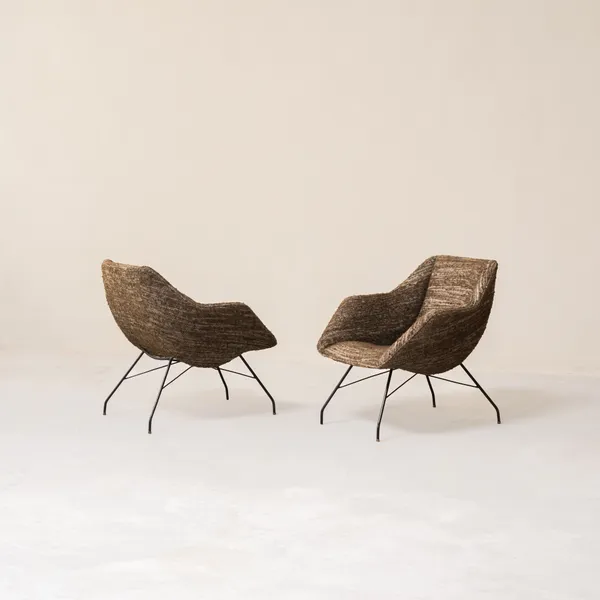
Carlo Hauner and Martin EislerArmchair (2 units - pair), c. 1954
-
Carlo Hauner and Martin EislerRosewood Chair, 1950s
-
Carlo Hauner and Martin EislerConcha Armchair, 1953
-
Carlo Hauner and Martin EislerDesk, c. 1950
-
Forma S.A. Móveis e Objetos de ArteFloor Lamp, 1950s
-
Forma S.A. Móveis e Objetos de ArteVase, 1950s
-
Carlo Hauner and Martin EislerExpandable Dining Table, 1950s
-
Carlo Hauner and Martin EislerArmchair, 1953
-
Carlo Hauner and Martin EislerArmchair, 1955
-
Carlo Hauner and Martin EislerRecord Player, 1950s
-
Carlo Hauner and Martin EislerConcha Armchair (pair), 1953
-
Carlo Hauner & Martin EislerBar Cart, c. 1956
-
Carlo Hauner and Martin EislerChaise, c. 1954
-
Carlo Hauner and Martin EislerTable Lamp, c. 1950
-
Carlo Hauner and Martin EislerStool (5 units), c. 1954
-
Carlo Hauner and Martin Eisler, Chair, 1950
-
Susi Aczel and Martin EislerRound coffee table, 1953
-
Carlo Hauner & Martin EislerBar cart , c. 1960
-
Carlo Hauner and Martin EislerCoffee and Dining Table, 1955
-
Carlo Hauner and Martin Eisler, Game Table, 1950s
-
Carlo Hauner and Martin EislerArmchair (Pair), 1950s
-
Carlo Hauner and Martin EislerReversivel, c. 1950
-
Susi Aczel and Martin EislerRound Coffee Table, 1953
-
Carlo Hauner and Martin EislerSquare Side Table, c. 1950
-
Carlo Hauner and Martin EislerArmchair, c. 1955
-
Carlo Hauner and Martin EislerCane Chair (4 units), 1954/1956
-
Carlo Hauner and Martin EislerRosewood Credenza, c. 1954
-
Carlo Hauner & Martin EislerDressing Table, 1960s
-
Florence Knoll and Martin EislerDining Chair (6 units), 1960s
-
Carlo Hauner and Martin EislerBookshelf, c. 1955
-
Carlo Hauner and Martin EislerCostela Armchair (Pair), 1953
-
Carlo Hauner and Martin EislerCostela Armchair, 1953
-
Carlo Hauner & Martin EislerForma Coffee Table , 1960s
-
Carlo Hauner and Martin EislerDining Chair (1 unit), c. 1954
-
Carlo Hauner and Martin EislerDining Chair (6 units), c. 1954
-
-
LIGHTING
-
-
DominiciEnrico Furio | Wall Lamp (2 units), 1970s
-
Lustres ProjetoWall Lamp, 1950s
-
Lustres PelotasWall Lamp (2 units), 1960s
-
Unknown ArtistTable Lamp
-
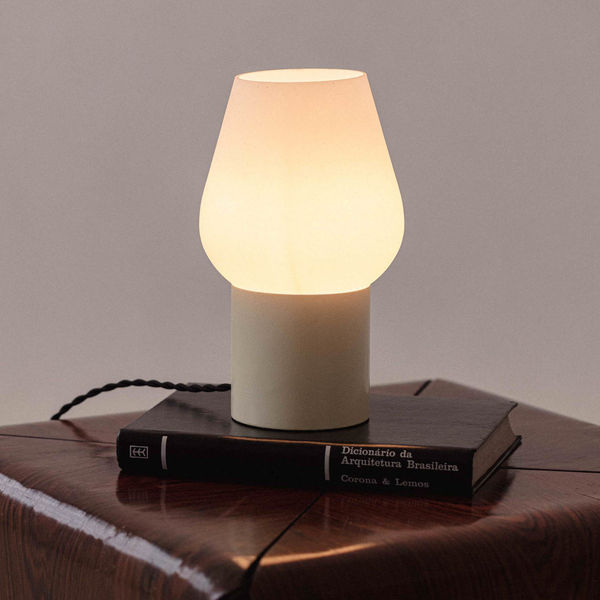
Carlo Hauner and Martin EislerTable Lamp, c. 1950
-
MetacriluxTable Lamp, 1970's
-
Carlo MontaltoTable Lamp, 1960s
-
Gaetano SciolariTable Lamp, 1960s
-
Gaetano SciolariTable Lamp
-
Forma S.A. Móveis e Objetos de ArteFloor Lamp, 1950s
-
DominiciEnrico Furio | Floor Lamp
-
DominiciFloor lamp 4492, 1960s
-
Carlo MontaltoWall Lamp (2 units)
-
Lustres PelotasPendant Lamp, 1950s
-
Lustres PelotasCelling Lamp, 1960s
-
Enrico FurioCelling Lamp, 1960`s
-
Lighting, Table Lamp (pair), 1960s
-
Lighting, Table Lamp (pair), 1960s
-
-
EXPANDING THE DIALOGUE
-
-
Lina Bo BardiChair MASP 7th April, 1947
-
Lina Bo Bardi and Giancarlo PalantiZig Zag Armchair, 1948
-
Beni Rugs, Boundaries, 2025
-
Beni RugsDeco, 2026
-
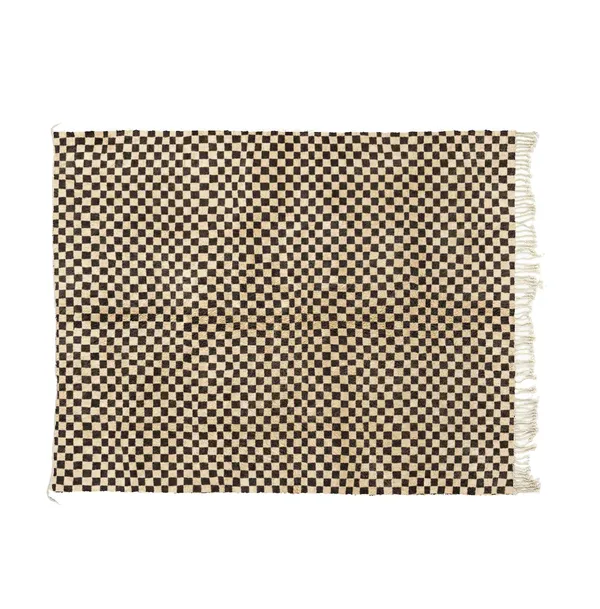
Beni RugsMicrocheck, 2026
-
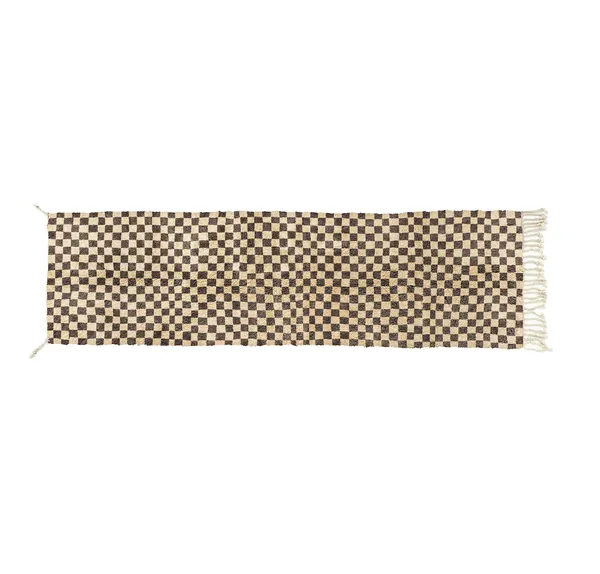
Beni RugsMicrocheck Runner, 2026
-
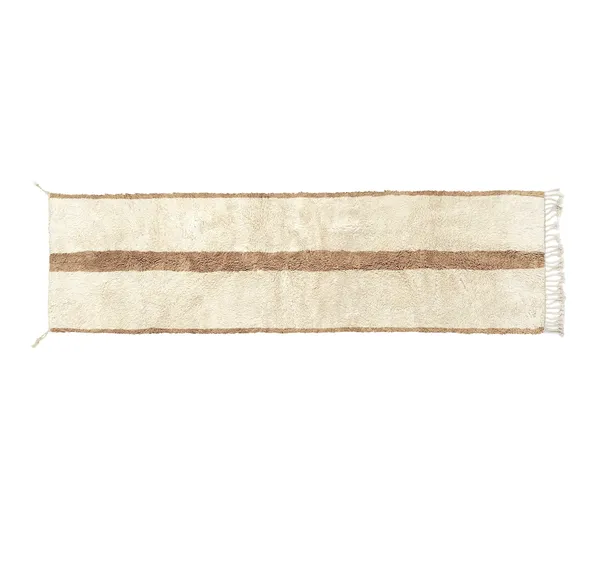
Beni RugsMeridian Runner, 2025
-
Beni RugsSolid Oat, 2026
-
Celina DecoraçõesSquared Mirror, 1960s
-
Novo RumoMirror and wall cabinet, 1960s
-
Pablo PicassoPicasso Plate, 1960s
-
The Lomonosov Porcelain FactoryPorcelain Tiger, 1960s
-
UnknownMetal Lobster, 1960s
-
Ingrid GlashutteGlass Jar, 1970s
-
Tamara AladinGlass Jar, 1960s
-
UnknownUmbrella Vase, 1960s
-
Unknown ArtistFiga , 1960
-
Unknown ArtistFiga , 1960
-
Unknown ArtistJug, c. 1900
-
Unknown ArtistJug, c. 1900
-
Unknown ArtistJug
-
Unknown ArtistJug, c. 1900
-
Unknown ArtistJug
-
Unknown ArtistJug
-
Unknown ArtistJug
-